By 2027, the global VPN market is expected to surpass $100 billion. Due to rising concerns about online privacy and data security, demand for an encrypted network is increasing.
Despite this massive demand, many entrepreneurs hesitate to enter the market. The reason is that launching a VPN brand is perceived as overly technical and time-consuming.
In reality, building a VPN service doesn’t have to take months. With the right approach, you can move from idea to a fully functional VPN brand in just seven days.
The entire process includes reliable servers, secure protocols, and cross-platform apps.
In this guide, we’ll walk through how to launch a VPN brand in 7 days, including key benefits, a practical day-by-day roadmap, and common mistakes to avoid.
Table of Contents
What is a VPN Brand?
A VPN brand is a business that offers users a Virtual Private Network (VPN) service under its own name. The service allows people to connect to the internet through secure, encrypted servers that protect their privacy and hide their IP address.
Instead of building the entire technology from scratch, many VPN brands use existing VPN infrastructure and launch their own branded apps, servers, and subscription plans.
In simple terms, a VPN brand is a company that provides a privacy-focused internet service through its own VPN app and platform. Users download the app, connect to a server, and browse the internet more securely and privately.
White Label VPN vs Custom VPN Development: Which One to Choose?
When launching a VPN brand, businesses can choose between a white-label VPN or a custom VPN.
- White-label VPN: Quick to launch, low upfront cost, pre-built infrastructure, ideal for fast go-to-market.
- Custom VPN: Full control, customizable features, scalable infrastructure, best for long-term growth.
Which to choose? If speed and cost-efficiency matter, go white-label. If you need full control and flexibility, invest in a custom VPN.
Let’s look at the key differences between white-label VPN and custom VPN.
| Feature | White-Label VPN | Custom VPN Development |
| Launching Time | Very fast – typically within weeks | It takes a long time. It could take months to build |
| Initial cost | Low-budget | High cost |
| Customization | Limited | Complete |
| Scalability | Moderate | Highest level |
| Maintenance & Updates | Handled mostly by the provider | Your team must handle maintenance, updates, and bug fixes. |
| Ownership | Shared/licensed | Full ownership |
How White Label VPN Works (Behind the Scenes)
A white-label VPN allows a company to rebrand a fully functional third-party VPN infrastructure and software as its own. The white-label provider manages all technical infrastructure, including security protocols, servers, and maintenance.
You focus entirely on branding, pricing, marketing, customer retention, and related areas. Here’s how a White-label VPN solution works:
- Infrastructure Setup – The provider maintains the core system, including VPN servers, encryption protocols, and network security. These servers handle user connections and route traffic through secure tunnels.
- Custom Branding – You receive VPN apps (Android, iOS, Windows, macOS) that can be customized with your brand name, logo, colors, and domain.
- Technical Management – The backend tasks – server maintenance, uptime optimization, security patches, scaling, etc., are handled by the provider.
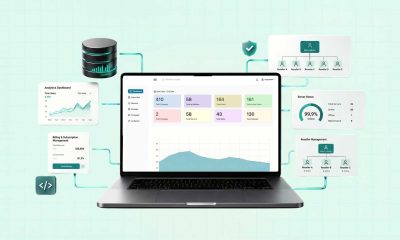
- Control Panel & Management – You manage subscriptions, users, server locations, and analytics through an admin dashboard. It is provided by the white-label VPN platform.
- Revenue Model – The VPN companies typically charge a fixed monthly fee per active user. It allows partners to set their own prices.
- Security – These solutions include state-of-the-art security features such as AES-256 encryption, WireGuard, and OpenVPN.
A professional VPN app development company handling all technical aspects. So you can focus on branding, marketing, and revenue – helping you to start a VPN business successfully.
Benefits of Launching a White-label VPN Brand
Launching a custom or white-label VPN branding solution can offer complete control over users’ data privacy and reach a global server infrastructure. Let’s check these 7 advantages of a scalable VPN business to meet specific market requirements.
- Recurring Revenue: Subscription-based models create predictable income. White Label VPNs offer highly scalable revenue with minimal infrastructure costs.
- Brand Customization: With a white-label VPN service provider, a brand can easily modify its logo, UI, and other features to target niche markets.
- Lower Development Costs: Building a VPN from scratch requires developers, security engineers, and server infrastructure. A white-label VPN removes most of these upfront costs.
- Scalable Business Model: Add new features, servers, and benefits to spread the business to reach the masses.
- Faster Time to Market: A white-label solution already includes servers, VPN protocols, and apps. This allows you to launch your VPN brand in days instead of spending months on development.
- High-end Security: Launching your own VPN lets you use strong protocols like WireGuard and custom encryption to protect your users’ security.
- Market Growth: According to BusinessWire, the VPN market is set to reach US$137.7 billion by 2030. It’s a clear sign that the private tunnel network’s strong progress will continue in the forthcoming period. Therefore, it could be a top hub for many businesses.
In short, a white-label VPN brand lets you launch a VPN business faster, reduce technical complexity, and focus on growing your brand.
So, you’ve learned about the VPN brand, how white-label VPN works and the benefits of white-label VPN. Now, we’ll shift to the main discussion. Let’s explore launching a VPN brand within a week.
How to Launch a VPN Brand in 7 Days (Day-by-Day Breakdown)
Launching a VPN business does not require months of development if you use a white-label solution.
With the right white label VPN provider, the entire process is handled as a structured rollout—where infrastructure, apps, and backend systems are already in place. Your role is to define the business, while the provider prepares the product.
Here’s what typically happens during a 7-day VPN launch timeline:
Day 1: Strategy Alignment and Provider Selection
Every successful VPN launch starts with clear positioning.
You define your target audience—whether that’s privacy-focused users, gamers, remote workers, or streamers. Based on this, you choose a white-label VPN provider that already offers stable apps, global servers, and a working backend system.
This decision is very important, as your provider directly impacts performance, security, and long-term scalability.
Day 2: Legal Agreements and Business Terms
Once the provider is selected, the next step is formalizing the partnership.
This includes defining service level agreements (SLAs), uptime guarantees, privacy standards, and commercial terms such as licensing or revenue sharing. A well-structured agreement ensures your VPN runs reliably from day one.
Day 3: Branding and App Customization
Your VPN starts taking shape as a brand.
The provider applies your logo, app name, and design elements across platforms like Android, iOS, and desktop apps. At the same time, core configurations such as server preferences and default settings are prepared.
At this stage, you are shaping the user experience not building the technology.
Day 4: Backend Setup and Payment Integration
The technical foundation is finalized behind the scenes.
Your white label VPN solution provider configures user management, subscription systems, and payment gateways. This allows users to sign up, pay, and access the VPN without friction.
From your side, the focus remains on pricing strategy and plan structure.
Day 5: Testing and Quality Assurance
Before launch, the VPN is tested across multiple devices and operating systems.
This ensures stable connections, proper functionality of features like kill switch, and protection against DNS leaks. Thorough testing reduces early-stage issues and builds trust with your first users.
Day 6: Website and Support Preparation
While the product is being finalized, your business front becomes ready.
In the meantime you can create a landing page that clearly explains your VPN, highlights its benefits, and presents pricing plans. Basic customer support channels such as email or ticketing. These are also set up to handle initial user queries.
Day 7: Launch and Initial User Acquisition
Your VPN brand officially goes live.
This includes publishing your website, releasing your apps, and announcing your launch. Early user acquisition typically comes from SEO, paid campaigns, and affiliate or referral channels.
At this point, your focus shifts from setup to growth.
Key Considerations Before Launch
Why White-Label VPN Platforms Work
White-label VPN platforms significantly reduce time to market.
They provide ready-built apps, backend systems, and server infrastructure, allowing you to focus on branding, marketing, and user acquisition instead of development.
Ongoing Support and Maintenance
A reliable provider continues to handle technical operations after launch.
This includes server maintenance, protocol updates, and security improvements, ensuring your service remains stable and competitive over time.
Monetization Strategy
Most VPN businesses operate on a subscription model.
Common options include monthly, yearly, and lifetime plans. These recurring models help generate predictable revenue and improve long-term customer value.
So, we’ve seen the full roadmap for launching a VPN in 7 days. Now, let’s check the revenue models for the white-label VPN business.
Here we go –
What are the Revenue Models for Your White Label VPN Business?
White-label VPNs generate high-margin recurring revenue through subscription plans, tiered pricing, and service bundles. Here are the common models:
- Tiered Subscription Plans: Offer packages based on speed, server locations, or device limits to match different user needs.
- B2B Licensing & Enterprise VPNs: Sell secure access to teams, startups, and large organizations with custom contracts.
- Affiliate & Reseller Programs: Partner with bloggers, tech sites, or influencers to earn commissions with the best vpn reseller program while expanding reach in different sectors.
- Bundled SaaS Offerings: Combine VPN access with productivity or cybersecurity tools for added value.
- Usage-Based Pricing: Charge enterprise clients based on bandwidth or the number of simultaneous connections. This model works well for scaling a business.
- Freemium Upsells: Provide a limited free plan to attract users and convert them to paid subscribers. Moreover, you can earn from in-app advertising (such as Google AdMob banners or interstitials) to generate extra passive income.
With strategic pricing and value-based plans, you can scale profit even as a startup.
Legal and Compliance Realities You Must Understand
Understanding VPN compliance requirements prevents fines, legal battles, and potential business shutdowns. Here’s what you need to know:
- No-log policy clarity
- Data jurisdiction strategy
- Copyright & DMCA compliance
- Regional VPN legality
- Transparent refund policies
- Data protection documentation
- GDPR Compliance (Europe)
Why Work With a White Label VPN Development Partner?
Building a VPN infrastructure from scratch is surely a complex job and it also needs different resources. Therefore, many businesses seek a VPN app partner that can complete the job shortly.
Working with an experienced VPN development team helps in many ways, such as launching faster, reducing infrastructure risks, solely focusing on marketing, scaling globally and maintaining enterprise-grade security.
At VPN App Developers, we help startups and businesses launch fully branded VPN apps. They get apps with top features such as global server infrastructure, multi-platform apps (iOS, Android, Windows, macOS), white-label customization, subscription-ready backend, and full-fledged technical support.
You don’t have to worry about backend engineering. You can only focus on growth and revenue. If you’re planning to launch a VPN, then you’re requested to consult and get a modified VPN launch roadmap.
FAQs on VPN App Optimization After Launch
How to start a VPN company?
If you want to start a VPN company – choose a business model, rent or own servers, license/build VPN software, set privacy policies, handle payments, and market the service.
Is the VPN business profitable?
Yes, it is. If you scale users, control server costs, and offer trusted privacy features, subscription margins improve.
Can I invest in VPN companies?
Yes, you can. You can invest via private equity, venture capital, or parent cybersecurity companies (a few are publicly traded).
How do I launch my VPN?
Use white-label VPN software or develop your own, deploy servers globally, set pricing, and launch apps with a website.
Can the FBI see through VPNs?
The FBI can’t decrypt your VPN traffic directly. However, they can access provider logs, compromise your device, or track you through browser fingerprints.
How do free VPN companies make money?
There are multiple ways to do that. Here are the best paths – ads, data collection, selling bandwidth, upselling premium plans, or partnerships.
How much does a VPN cost per month?
It varies depending on the plan and VPN brand. Usually, you’ll have to spend $3–$15/month on long-term plans if you seek cheaper plans.
Conclusion: VPN Business Guide 2026
The VPN market is massive. While you’re debating whether to start, competitors are launching white-label VPN brands and capturing market share.
You now know exactly how to launch a VPN brand in 7 days. So, it’s better to fix the mindset and make a decision. If you’re really interested in entering the VPN business, VPN App Developers can make the process effortless.
From offering the highest-level expertise in global server infrastructure, multi-platform apps, subscription-ready backends, to advanced security technology – you’ll find it all.